



Blue Light Blockers
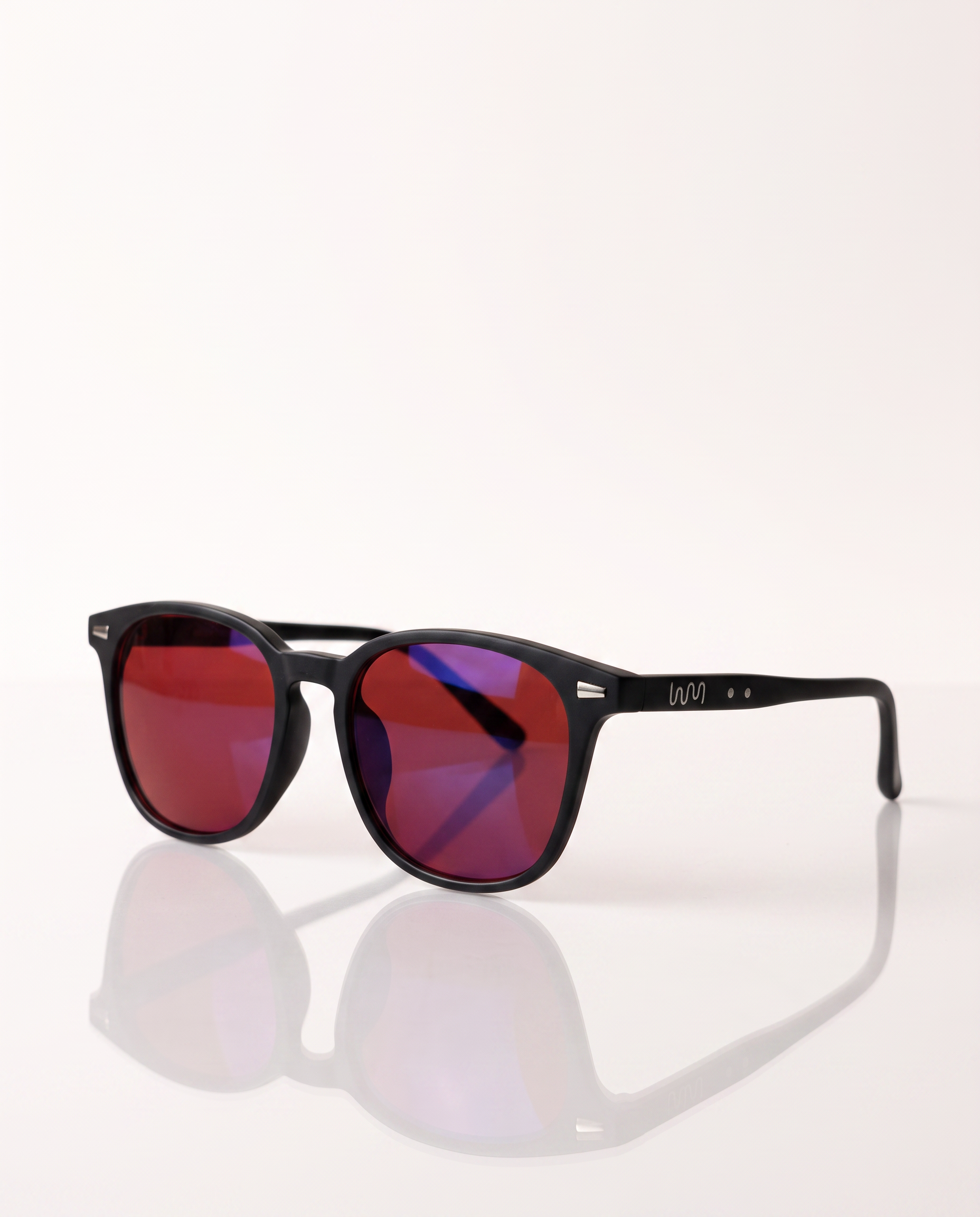
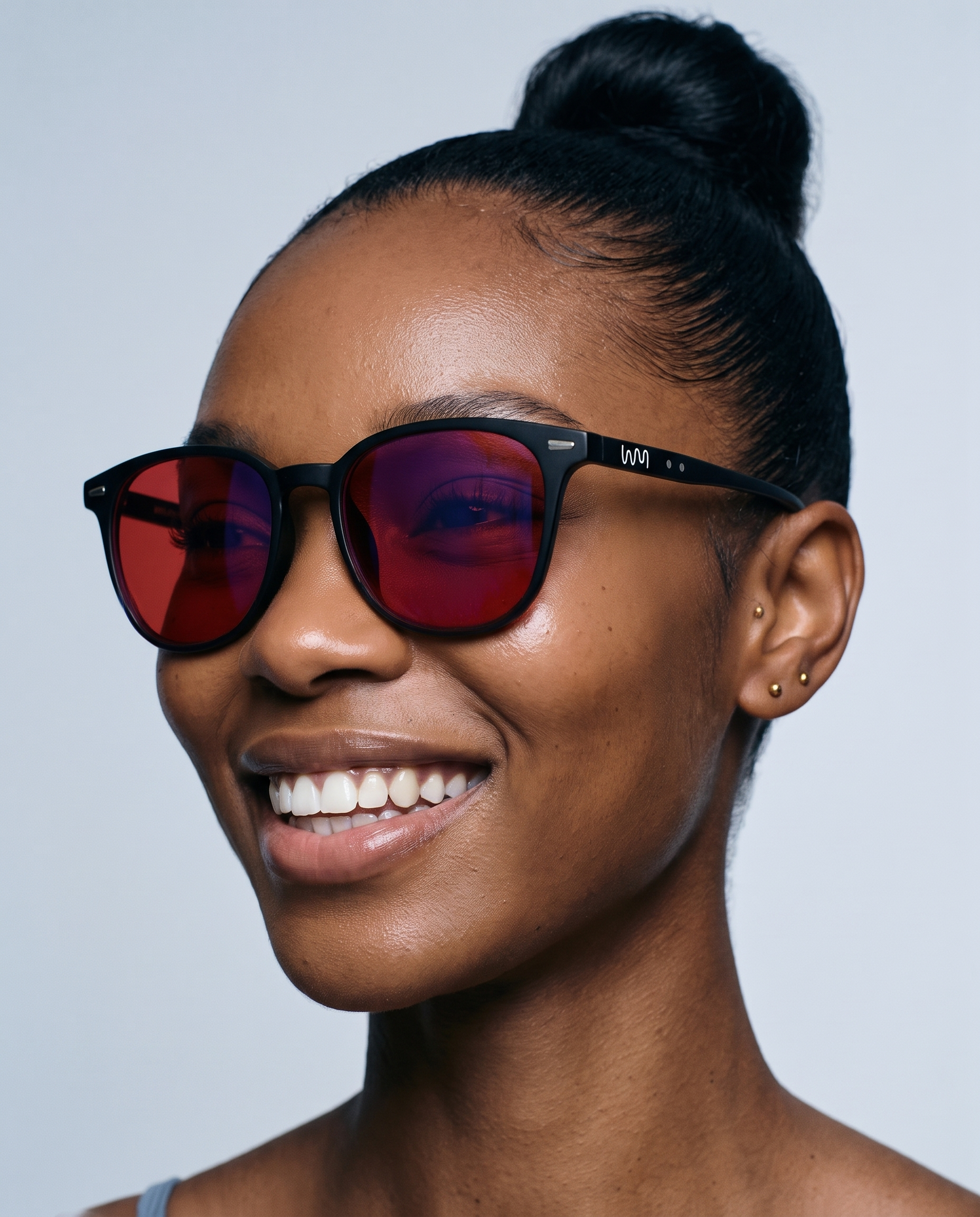
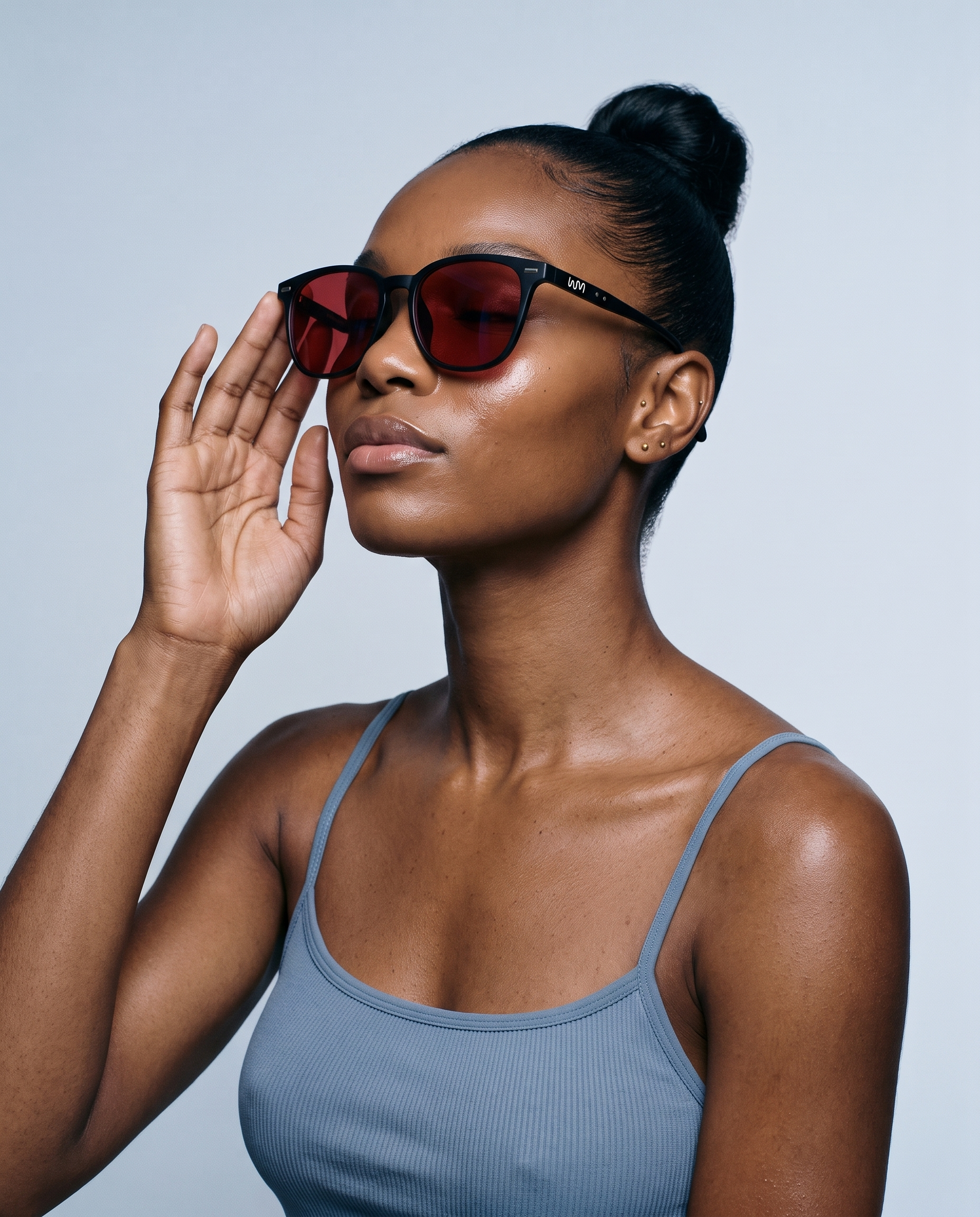
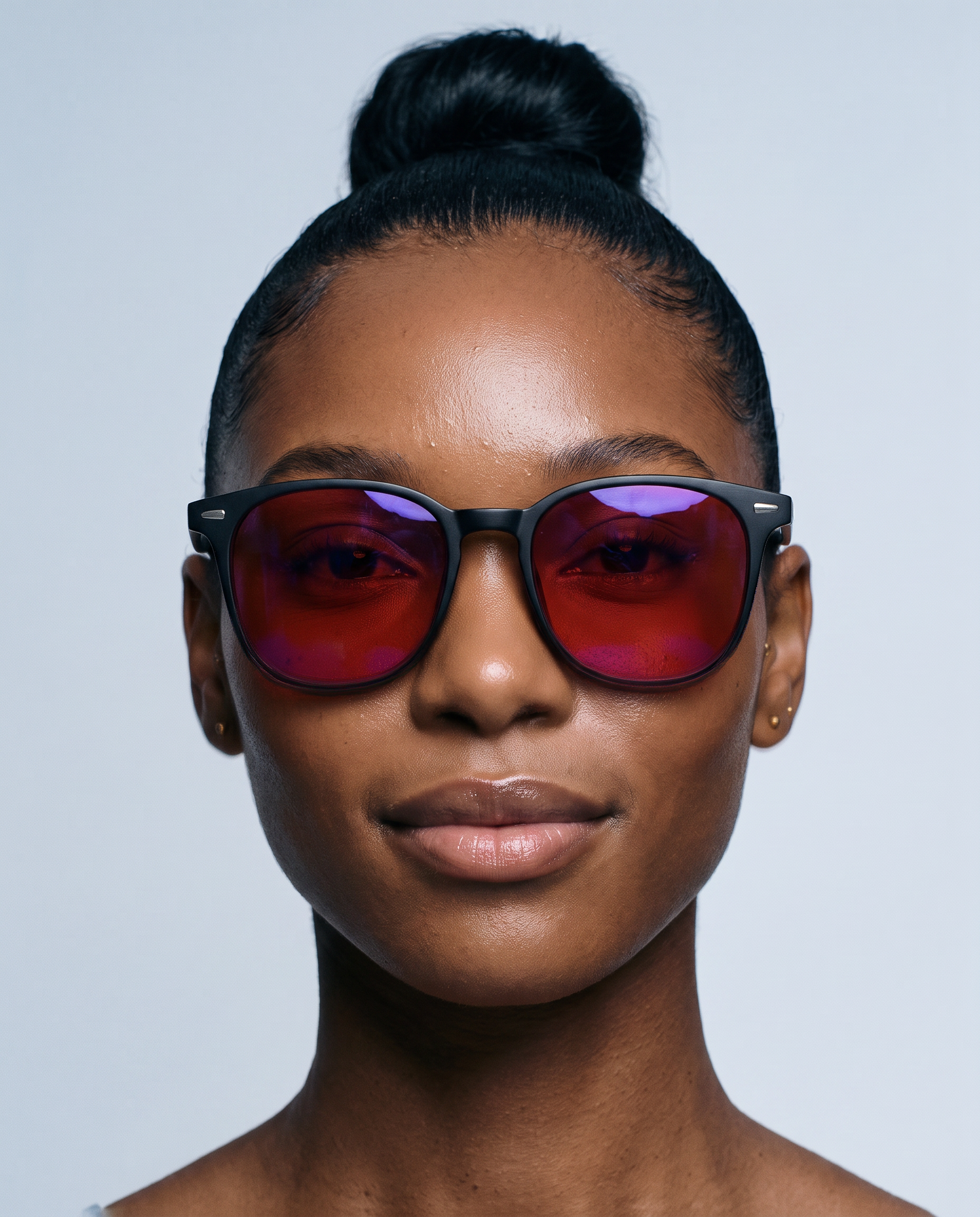
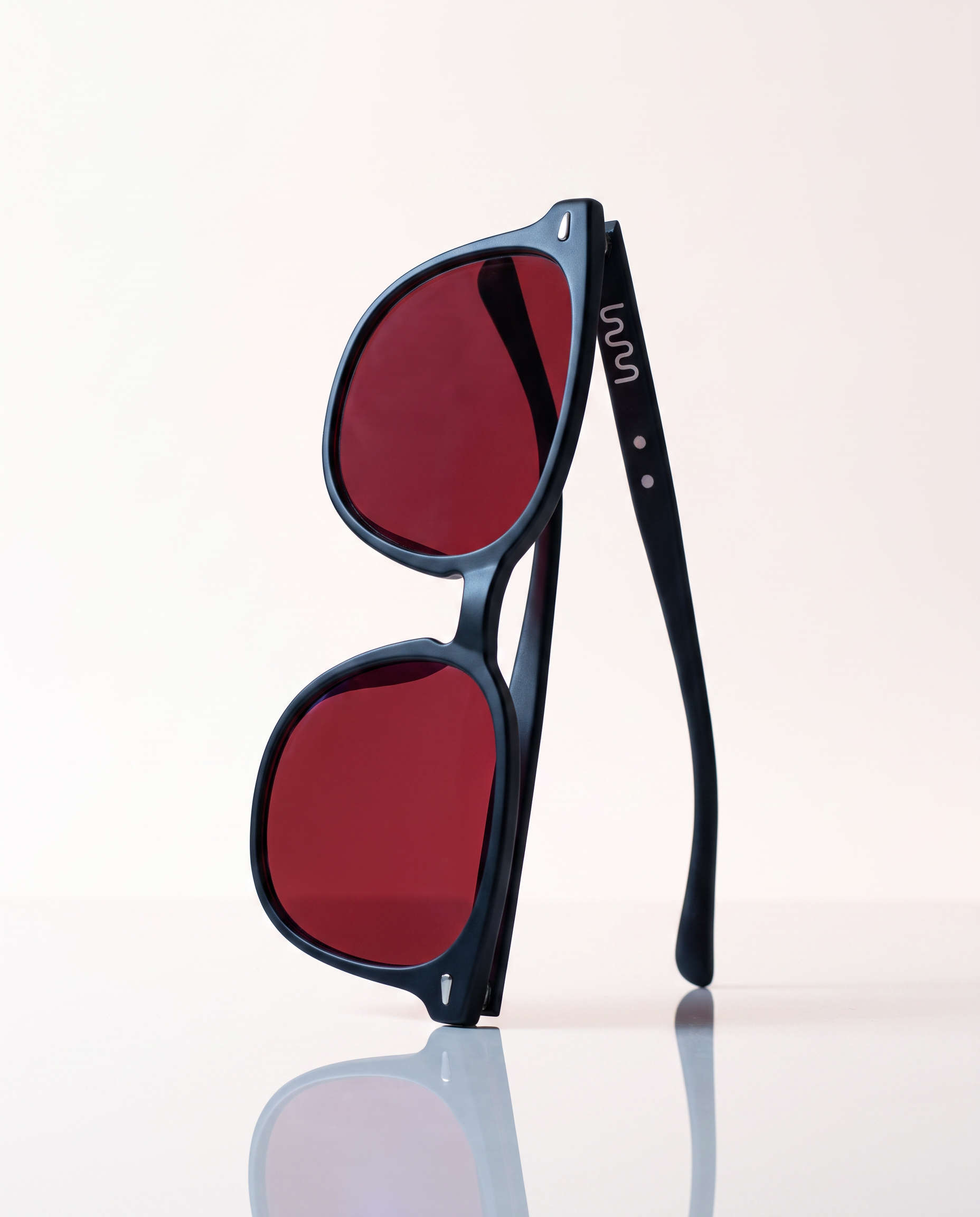
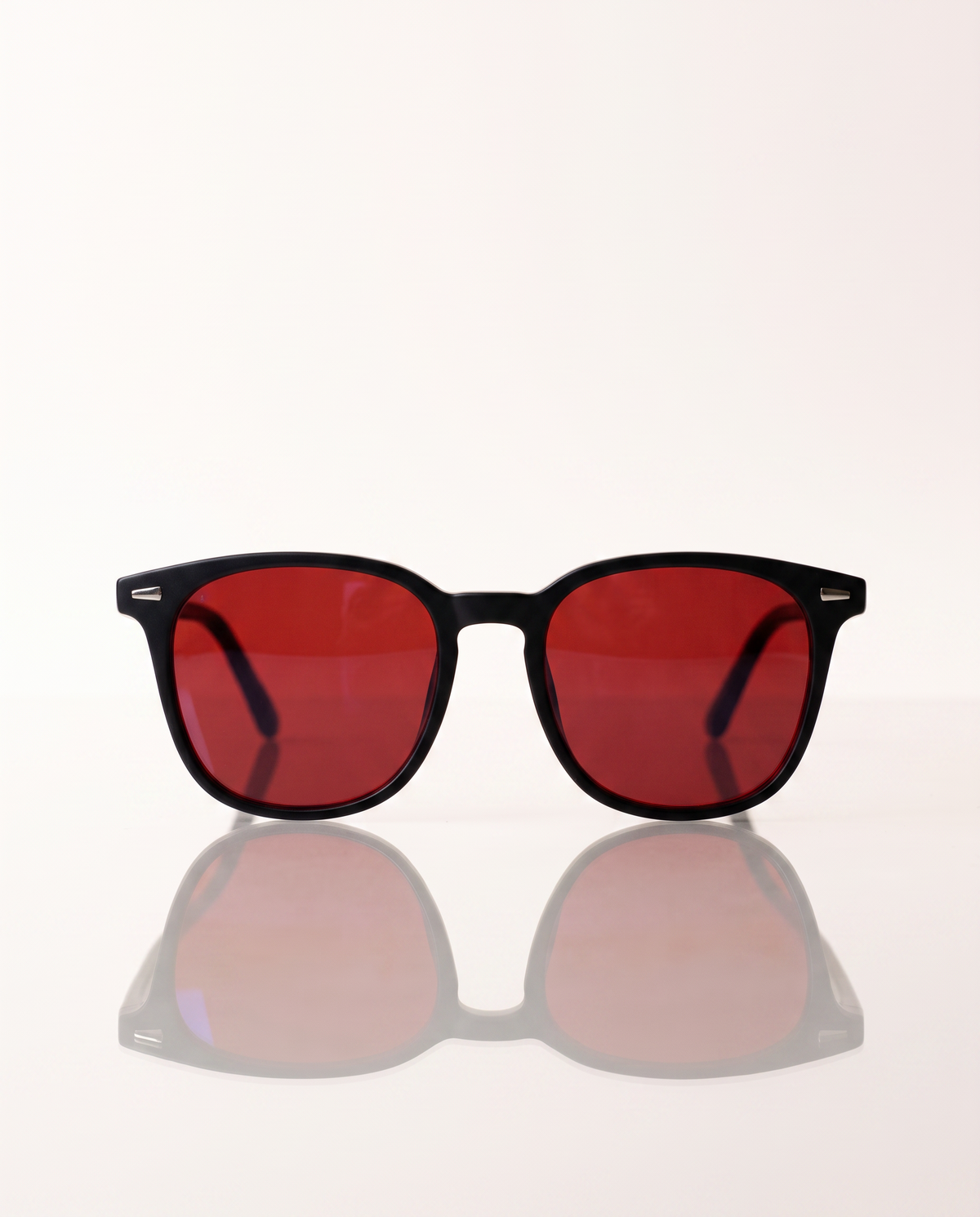
Blue light blocking glasses in a deep red lens.
- Regular price
-
$80.00 - Regular price
-
- Sale price
-
$80.00
The last hour before bed shouldn't look like the middle of the day.
Couldn't load pickup availability
Free shipping Australia wide. 30 nights to change your mind.
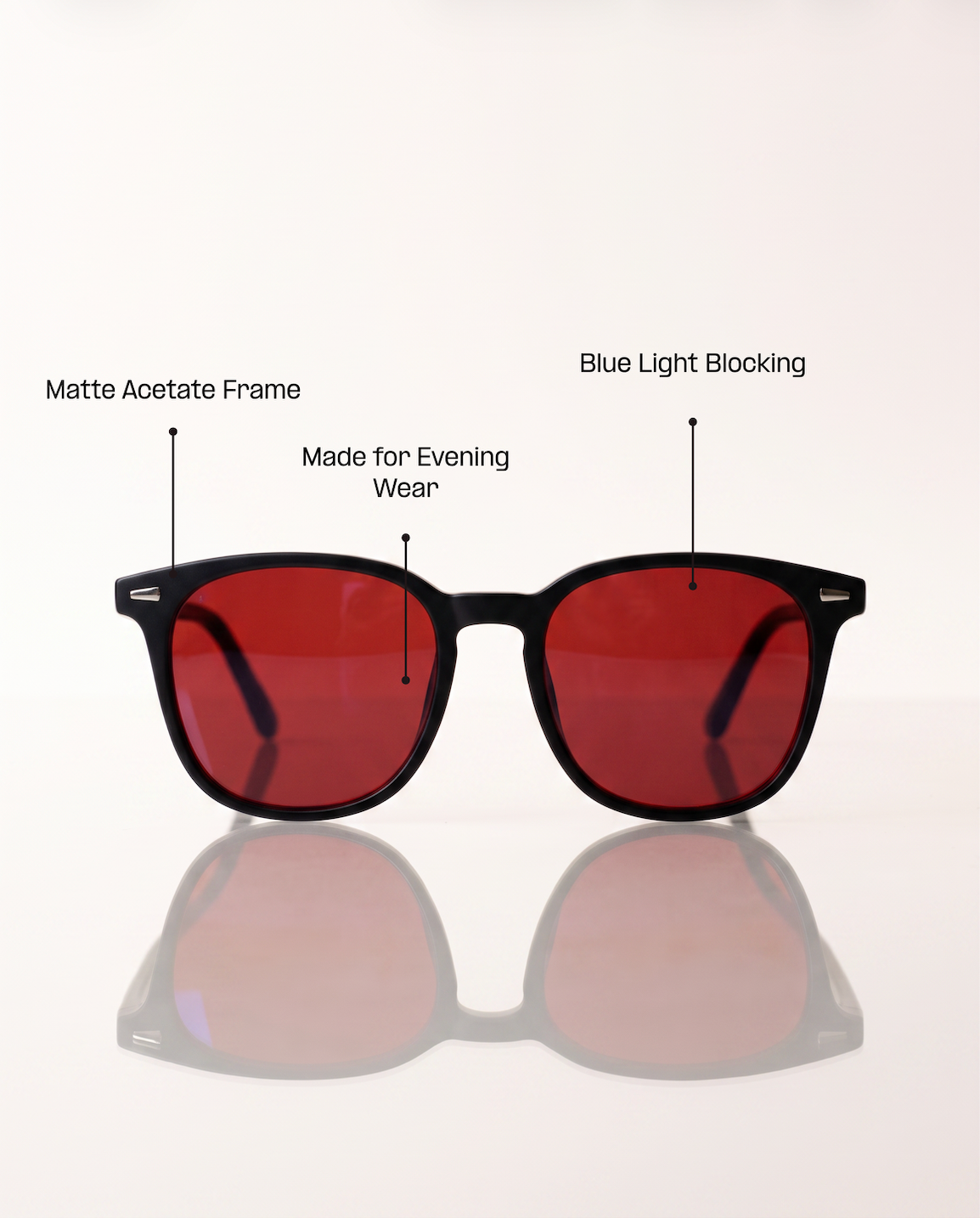
Lens: Deep red, blocks 99% of blue light.
Made for: Screens after dark.
Wear: From sundown to lights out.
Description
An evening lens, in deep red.
A deep red lens, bonded through the material, filters the harsh end of the spectrum out of every screen in the room.
Blocks 99% of blue light, 400 to 500 nm. Wear from sundown.
The Lens
Deep red tint bonded through the lens material, not a surface coating that scratches off.
Blocks 99% of blue light, 400 to 500 nm.
Matte acetate frame, unisex. One size, cut to suit most faces.
Non-prescription. No magnification, no correction.
Tint depth is the whole product. A clear or faintly yellow lens takes out a slice of the blue range. A deep red lens takes out effectively the entire range, which is why it looks the way it looks. Why blue light glasses are red.
Specifications
Lens colour: deep red.
Blue light blocked: 99% across 400 to 500 nm.
Tint: bonded through the lens material, not a surface coating.
Frame: matte acetate, soft-touch finish, silver at the hinge.
Fit: one size, unisex.
Lenses: one. Nothing to swap, nothing to charge.
Prescription: no. Wearable over contact lenses.
Made for: indoors after dark. Not driving, not daytime.
Frame measurements and a lab transmission chart are not here yet. When the factory sends them, they go here.
When to Wear Them
From sundown, indoors, whenever a screen or an overhead light is on.
Not a daytime lens. Not a driving lens. A deep red tint changes how you see colour and how much light reaches you, so these are for the couch and the desk after dark, not the car.
In the Box
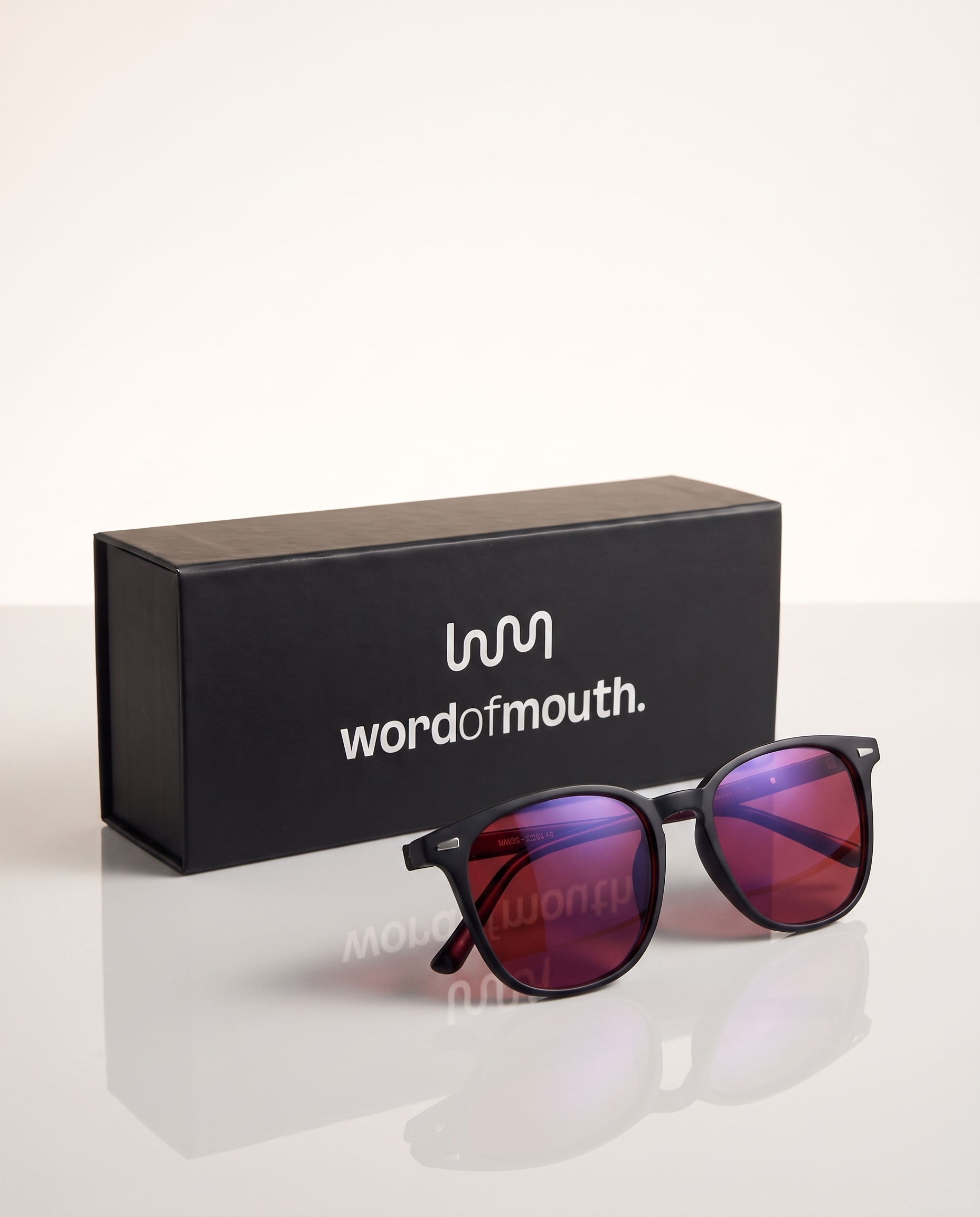
One pair of Blue Light Blockers, in a matte black wordofmouth. case.
Designed and sold in Australia.
Shipping
Orders are typically shipped within 1 business day of being placed.
Delivery usually takes 3-5 business days, though this may vary depending on your location.
Guarantee
30-day money-back guarantee.
If they're not for you, send them back within 30 days for a full refund.
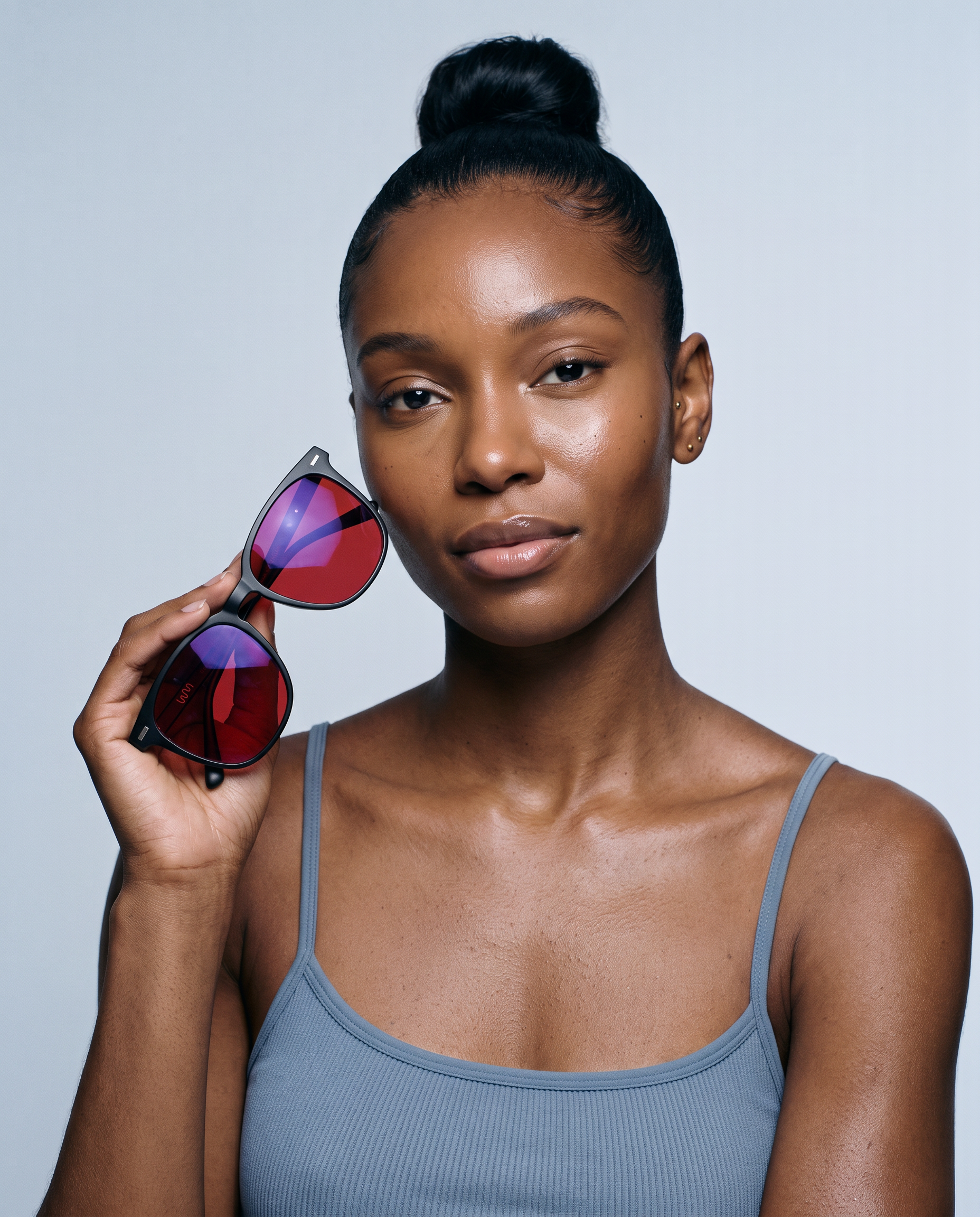


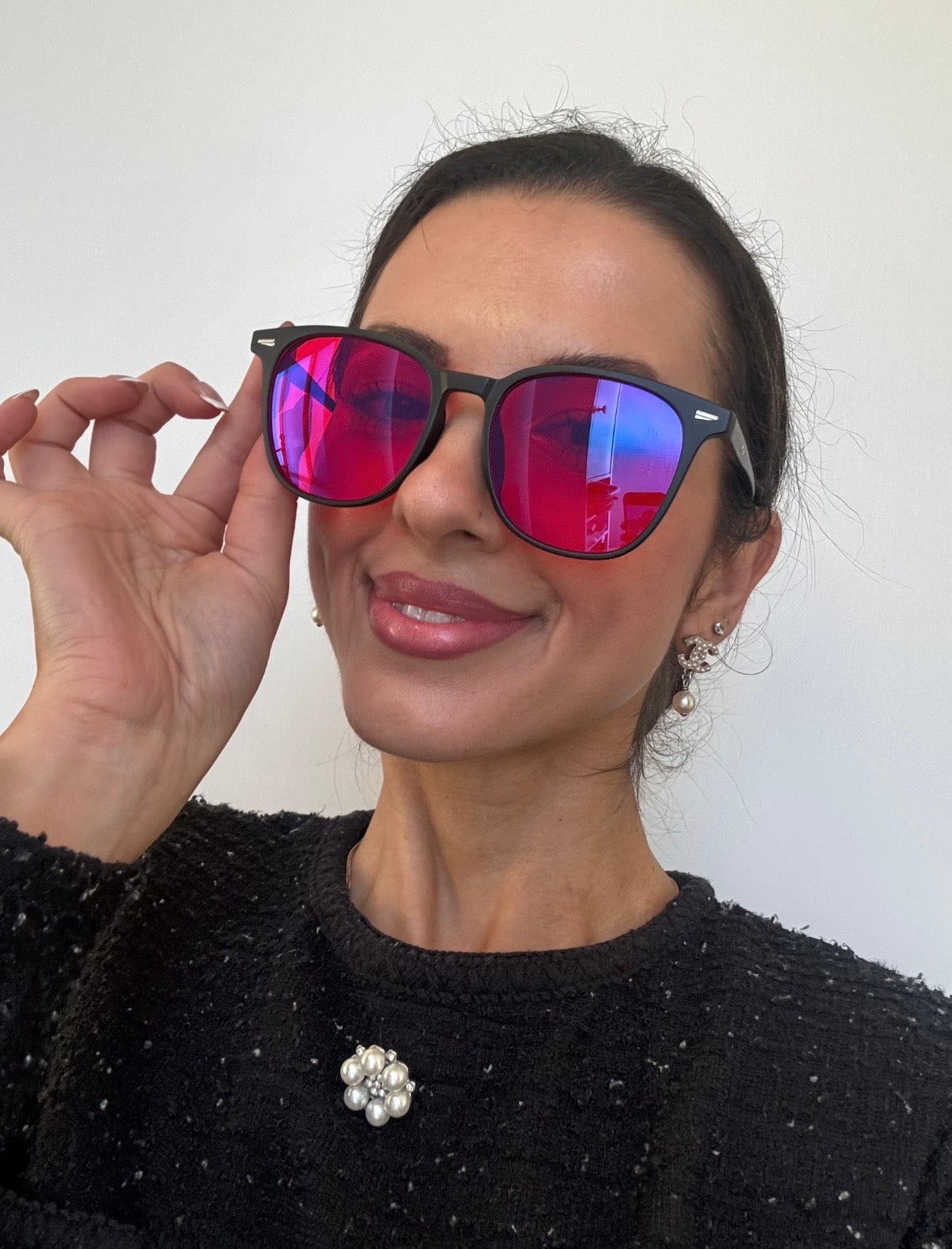
"It still allows me to have a cheeky scroll on my phone before bed."
Lia · Verified buyer
-
Free Shipping Australia Wide
-
Fast 3-5 Day Delivery
-
30-Day Money Back Guarantee
Depth sets the ceiling.
A lens removes a colour by not letting it through. So how deep the tint is decides how much blue can come out. No coating, no membrane, no proprietary anything gets around that.
Mostly the violet end. It stays colourless, which is the point and also the limit. Daytime desk work.
Still partial across the band. Takes some of the edge off a screen. Daytime and gaming.
Colours shift but stay usable. The halfway house, and for a lot of people the right one.
The whole band, and into lower green beside it. Colours change properly. Not a daytime lens, not a driving lens.
These follow from the physics of tinting, not from any brand's technology. The only thing that settles it is a dated transmission chart from a lab. Ask any brand for one, ours included.
One lens. Deep red.
Bonded through the material, in a matte acetate frame.
On when the lamps go on. Off at lights out. That's the whole product.
The sun goes down. The blue doesn't.
Screens and downlights keep putting out the 400 to 500 nm band long after sunset.
Lamps on. Glasses on.
Screens, downlights, the lot.
Lights out.
Same room. Softer evening.
99% of blue light removed · 400 to 500 nm



FAQs
When should I wear them?
From sundown, or for your last screen session of the day. Take them off when you turn the lights out.
Why is the lens red?
The deeper the tint, the more of the blue end of the spectrum it removes. Clear and lightly tinted lenses filter a portion. This lens is built to take out the 400 to 500 nm range.
Will everything look red?
Yes. That's the lens doing its job. Most people stop noticing within a few minutes.
Are these the same as normal blue light glasses?
No. Most blue light glasses sold in Australia are clear or faintly yellow and are made for daytime computer use. These are a deep red evening lens. Different tint, different time of day, different job.
Can I use night mode or a screen filter instead?
Night mode shifts the colour of one screen. It does nothing about the lamp above your head, the TV across the room, or the bathroom light. A lens covers everything you look at.
Do they work in the daytime?
They are not made for it. Daytime blue light is mostly sunlight, and a deep red lens is the wrong tool for a lit room in the middle of the day.
How do I know a lens blocks what it claims?
Ask for the numbers. Any brand selling a blue light lens should be able to tell you which wavelengths it filters and by how much, in nanometres, not adjectives. If all you get is "blocks blue light", that is a description of the colour, not a measurement.
Ours is a deep red lens that blocks 99% of blue light, 400 to 500 nm. You can also check it yourself: hold any pair over a blue torch or a blue screen and look at what comes through.
Is the red a coating that wears off?
No. The tint is bonded through the lens material, not sprayed onto the surface. A coating can scratch, and when it goes it takes the filtering with it. This cannot.
Are these prescription?
No. These are non-prescription and can't be fitted with a script. They can be worn over contact lenses, but they are a standalone frame, not a fit-over or a clip-on.
Will they fit me?
One frame, one size, cut to suit most faces. Lightweight acetate with a soft-touch matte finish.
What's in the box?
One pair of Blue Light Blockers, in a matte black wordofmouth. case.
What if they're not for me?
Send them back within 30 days for a full refund.